

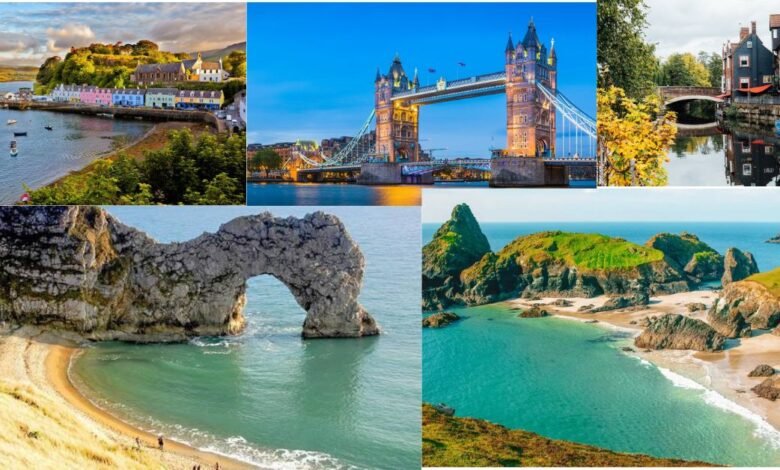
The United Kingdom is packed with places that can make a holiday memorable, from historic cities and peaceful countryside to dramatic coastlines, mountain landscapes, and charming villages. One of the best things about travelling around Britain is the variety available within a relatively small area. A visitor can explore a centuries-old castle in the morning, walk through a picturesque village in the afternoon, and enjoy a traditional pub or seaside dinner in the evening.
For travellers searching for the best places to visit in uk, there is no single destination that suits everyone. Some people prefer lively cities filled with museums, restaurants, and cultural attractions, while others want quiet landscapes, coastal walks, or historic towns. The right destination depends largely on the type of experience you want from your trip.
This guide explores some of the most appealing destinations across England, Scotland, Wales, and Northern Ireland. It also looks at what makes each place special, who it is best suited to, and what travellers should consider when planning a UK holiday.
London: The Best Choice for First-Time Visitors
London is one of the easiest places to start a trip around the UK. The capital combines historic landmarks, world-class museums, royal attractions, theatres, shopping districts, green spaces, and a huge choice of restaurants.
Visitors can see Buckingham Palace, Westminster Abbey, the Houses of Parliament, Big Ben, the Tower of London, and Tower Bridge during a city break. Museums such as the British Museum, Natural History Museum, and Victoria and Albert Museum also provide plenty to explore, including several options that are free to enter.
London works particularly well for first-time visitors because public transport makes it relatively easy to move between different parts of the city. It is also an excellent base for day trips to places such as Windsor, Oxford, Cambridge, and Brighton.
For travellers deciding where to begin among the best places to visit in uk, London is an obvious option because it combines sightseeing, history, culture, entertainment, and convenient transport.
Edinburgh: History and Character in One City
Edinburgh has a distinctive atmosphere that sets it apart from many other UK cities. Its medieval Old Town, elegant New Town, steep streets, and dramatic skyline give the Scottish capital plenty of character.
Edinburgh Castle is one of the city’s major attractions and sits prominently above the surrounding streets. The Royal Mile connects the castle area with the Palace of Holyroodhouse, while Arthur’s Seat provides an opportunity to escape the busy city centre and enjoy impressive views.
The city is also known for its festivals, literary heritage, traditional pubs, museums, and restaurants. Summer can be particularly lively, while the colder months offer a different experience with atmospheric streets and seasonal events.
Edinburgh is an excellent destination for couples, history enthusiasts, photographers, and travellers who want to experience Scottish culture without immediately heading into the countryside.
Bath: Roman History and Georgian Architecture
Bath offers a very different experience from the UK’s larger cities. Famous for its Roman heritage and elegant Georgian architecture, the city is compact enough to explore comfortably on foot.
The Roman Baths provide an insight into the city’s ancient past, while Bath Abbey and the Royal Crescent demonstrate its later architectural development. Pulteney Bridge and the surrounding streets are also popular with visitors looking for attractive places to walk and photograph.
Bath is especially appealing for a relaxing weekend break. Its independent shops, cafés, restaurants, spas, and historic streets make it suitable for couples and travellers who prefer a slower pace.
The city’s location also makes it possible to explore nearby parts of Somerset and the Cotswolds, making Bath a useful addition to a wider southwest England itinerary.
The Lake District: A Haven for Nature Lovers
The Lake District is one of the UK’s most rewarding destinations for people who enjoy mountains, lakes, walking trails, and peaceful scenery. Located in northwest England, the region is known for its dramatic landscapes and outdoor activities.
Windermere is one of the best-known lakes, while towns and villages such as Keswick, Ambleside, and Grasmere provide convenient bases for exploring the area. More adventurous visitors can tackle mountain routes, including walks around some of England’s highest peaks.
The Lake District is not only about challenging hikes. Visitors can enjoy boat trips, scenic drives, village walks, gardens, traditional tearooms, and quiet viewpoints. This makes it suitable for both active travellers and people simply looking for a countryside escape.
Anyone comparing the best places to visit in uk for scenery should consider the Lake District because its combination of water, mountains, villages, and walking routes offers something for different levels of experience.
The Cotswolds: Picturesque Villages and Countryside
The Cotswolds are famous for their rolling countryside, honey-coloured stone buildings, traditional villages, and peaceful rural atmosphere. The region stretches across several counties and is particularly popular for short breaks.
Bourton-on-the-Water, Bibury, Stow-on-the-Wold, Broadway, and Castle Combe are among the places often included on Cotswolds itineraries. Each has its own character, although visitors should expect some areas to become busy during peak travel periods.
Walking is one of the best ways to experience the region because it allows travellers to move beyond the main tourist streets and discover quieter paths and countryside views. Local pubs, cafés, gardens, and independent shops can also add to the experience.
The Cotswolds are particularly well suited to couples, photographers, families, and anyone looking for a traditional English countryside experience.
York: A Journey Through British History
York is one of England’s most interesting historic cities. Its compact centre contains Roman, Viking, medieval, and later architectural influences, making it an excellent destination for history lovers.
York Minster dominates the city skyline, while the Shambles provides a memorable walk through one of the city’s most recognisable historic streets. Visitors can also explore the medieval city walls and learn about York’s Viking past.
The National Railway Museum is another major attraction and can appeal to visitors travelling with children as well as railway enthusiasts. Because many attractions are close together, York works particularly well for a weekend trip.
For travellers interested in historic cities rather than large modern urban centres, York is one of the best places to visit in uk.
The Scottish Highlands: Dramatic Landscapes and Adventure
The Scottish Highlands offer some of the UK’s most striking natural scenery. Vast valleys, mountains, lochs, forests, and remote roads create a sense of space that is difficult to find in many other parts of Britain.
Glencoe is particularly impressive, with its rugged mountain scenery and historic associations. Loch Ness attracts visitors interested in its famous legend, while Fort William is a popular base for outdoor adventures.
The Highlands are also ideal for road trips. Travellers can create itineraries around scenic routes, historic castles, coastal landscapes, and small communities. Those with more time can continue towards the Isle of Skye, where dramatic landscapes and coastal scenery provide another highlight.
Because distances can be greater than they appear on a map, travellers should avoid rushing through the region. Allowing extra time for scenic stops can make a Highlands trip much more enjoyable.
Cornwall: Beaches, Cliffs, and Coastal Towns
Cornwall is one of Britain’s most popular coastal destinations. It offers sandy beaches, dramatic cliffs, fishing villages, surf-friendly beaches, and scenic walking routes.
St Ives is known for its artistic heritage and beautiful coastline, while Newquay attracts visitors interested in surfing and seaside activities. Land’s End provides dramatic coastal views, and Tintagel has strong connections with Arthurian legends.
The South West Coast Path is another major attraction for walkers. Travelling along sections of the path provides a chance to experience Cornwall away from its busiest towns.
Cornwall is particularly attractive during warmer months, but visitors should expect popular coastal locations to become busy during school holidays. Booking accommodation early can be important during peak periods.
Oxford: A City of Learning and Architecture
Oxford is famous around the world for its university, historic colleges, libraries, and distinctive architecture. The city makes an excellent destination for travellers interested in education, history, literature, and culture.
Walking through the city centre reveals historic buildings, college courtyards, bookshops, museums, and traditional pubs. Visitors can also try punting along the River Cherwell or explore the surrounding countryside.
Oxford can easily be visited as a day trip from London, but staying overnight gives travellers more time to experience the city after the busiest daytime hours.
Its combination of academic heritage and attractive architecture makes it a strong choice for travellers searching for cultural destinations in England.
Cambridge: Historic Colleges and Riverside Scenery
Cambridge shares some similarities with Oxford but has its own distinctive personality. The city’s historic university buildings, narrow streets, green spaces, and river provide plenty of opportunities for sightseeing.
Punting is one of the most recognisable Cambridge experiences. Visitors can travel along the River Cam while seeing historic colleges and bridges from the water.
The city is also enjoyable on foot, particularly around the university area and central streets. Museums and botanical gardens provide additional options for visitors who want something beyond traditional sightseeing.
Cambridge is suitable for couples, families, students, architecture enthusiasts, and travellers looking for a relaxed cultural day trip.
Liverpool: Music, Culture, and Waterfront Attractions
Liverpool has a strong cultural identity and is particularly famous for its musical heritage. The city is closely associated with The Beatles and attracts visitors interested in music history from around the world.
The waterfront is another major attraction, with historic buildings, museums, galleries, restaurants, and public spaces. The Royal Albert Dock is particularly useful as a starting point for exploring the city.
Liverpool also has an impressive football culture, making it appealing to sports fans. Its combination of museums, nightlife, music, architecture, and affordable city-break options makes it a versatile destination.
For travellers wanting a lively urban experience without choosing London, Liverpool deserves consideration.
Manchester: A Modern City with Industrial Heritage
Manchester is another excellent choice for a city break. The city played an important role in Britain’s industrial history and has since developed into a major centre for music, sport, business, shopping, and culture.
Football fans can visit attractions associated with Manchester’s famous clubs, while music lovers can explore the city’s long-standing contribution to British popular culture.
The Northern Quarter is known for independent businesses, cafés, restaurants, and creative spaces. Museums and historic buildings provide opportunities to understand Manchester’s industrial past.
Its transport connections also make Manchester a convenient base for exploring parts of northern England.
Snowdonia and Eryri: Mountains in Wales
Eryri, also known as Snowdonia, is one of Wales’s most famous landscapes. The national park is known for mountains, lakes, valleys, walking routes, and scenic villages.
Mount Snowdon, now officially known as Yr Wyddfa, is the highest mountain in Wales and attracts experienced walkers as well as visitors using alternative routes and transport options.
The wider area offers much more than one mountain. Visitors can explore lakes, waterfalls, castles, villages, and scenic roads while experiencing Welsh culture.
For outdoor enthusiasts comparing the best places to visit in uk, Eryri provides an excellent opportunity to experience dramatic mountain scenery without travelling outside Britain.
Cardiff: Wales’s Lively Capital
Cardiff combines historic attractions with a modern city-centre atmosphere. Cardiff Castle is one of its most recognisable landmarks, while Cardiff Bay provides restaurants, cultural attractions, and waterfront walks.
The city is also a useful base for exploring South Wales. Visitors can combine a Cardiff city break with trips into the surrounding countryside or towards the Brecon Beacons, now officially known as Bannau Brycheiniog.
Cardiff works well for visitors who want to experience Welsh culture while still having access to shopping, restaurants, entertainment, and public transport.
Giant’s Causeway and the Causeway Coast
Northern Ireland offers some remarkable landscapes, with the Giant’s Causeway being one of its most famous attractions. The unusual basalt columns along the coast create a distinctive natural landscape shaped by volcanic activity.
The surrounding Causeway Coast adds cliffs, beaches, coastal roads, and small towns to the experience. Visitors can combine the area with a trip to Belfast, making it possible to experience both Northern Ireland’s urban culture and its dramatic coastline.
The region is especially appealing to photographers, nature lovers, road-trip travellers, and anyone interested in unusual geological landscapes.
Brighton: A Classic Seaside Escape
Brighton is one of the UK’s best-known seaside destinations and is particularly convenient for travellers based in London. The city combines a traditional seaside atmosphere with independent shops, restaurants, nightlife, arts, and cultural attractions.
The Royal Pavilion is one of Brighton’s most recognisable buildings, while the seafront and Brighton Palace Pier remain popular with visitors.
Brighton’s compact centre makes it easy to combine sightseeing with time at the coast. It is especially suitable for couples, groups of friends, and travellers wanting a lively weekend away.
Yorkshire Dales: Peaceful Countryside and Walking Routes
The Yorkshire Dales provide another excellent option for travellers who prefer rural landscapes. The area features valleys, stone villages, waterfalls, limestone scenery, and extensive walking routes.
Visitors can explore places such as Grassington and Hawes while enjoying the region’s traditional character. The landscape changes considerably with the seasons, making the Yorkshire Dales appealing throughout much of the year.
The region is particularly well suited to walkers and travellers who want to slow down and spend time outdoors.
How to Choose the Right UK Destination
Choosing between so many destinations can seem difficult, but it becomes easier when you start with the type of holiday you want.
For a first UK trip, London provides the broadest range of attractions and transport connections. For historic architecture and a shorter city break, Bath or York may be more suitable. Couples looking for scenic surroundings can consider the Cotswolds or Lake District.
Travellers interested in mountains and outdoor activities should look towards Scotland or Wales, while beach lovers may prefer Cornwall, Devon, Brighton, or Pembrokeshire.
Families should consider destinations with a mixture of attractions and easy transport, while budget-conscious travellers may find some northern cities more affordable than the UK’s most popular tourist centres.
The most important thing is not to choose a destination simply because it appears on a popular list. Think about what you actually want to see and do, then build your itinerary around those priorities.
Best Time to Visit the UK
The UK’s weather can be unpredictable, so there is no single perfect month for every type of trip. Late spring and summer are generally popular for outdoor sightseeing, coastal holidays, and countryside walks.
Autumn can be particularly attractive for rural destinations because forests and countryside take on seasonal colours. Winter brings shorter days and colder weather but can be appealing for city breaks, museums, historic attractions, and festive events.
Peak summer periods can be busy in places such as Cornwall, the Lake District, Edinburgh, and the Cotswolds. Travelling during shoulder seasons can sometimes provide a quieter experience and greater accommodation availability.
Getting Around the UK
The UK has an extensive transport network, although the easiest way to travel depends on the destination.
Major cities such as London, Edinburgh, Manchester, Liverpool, Birmingham, and Cardiff are well connected by rail. Trains can be particularly convenient when travelling between major urban centres.
A car can be more useful in rural destinations such as the Scottish Highlands, Cornwall, the Cotswolds, and parts of Wales. However, travellers should consider parking, narrow rural roads, fuel costs, and journey times before choosing to drive.
A combination of trains, buses, walking, and occasional car hire can often provide a practical solution for longer holidays.
Planning a Memorable UK Holiday
A successful UK trip does not necessarily require visiting as many destinations as possible. Trying to cover London, Scotland, Wales, Cornwall, and northern England in a few days can leave you spending most of your time travelling.
Instead, choose a region and explore it properly. A week in southwest England can include Bath, the Cotswolds, Devon, and Cornwall. A Scottish itinerary could combine Edinburgh with the Highlands. A northern England trip could link York, Manchester, Liverpool, and the surrounding countryside.
Allowing enough time at each destination gives you opportunities to discover local cafés, independent shops, historic streets, walking routes, and less crowded attractions.
Conclusion
The UK offers an extraordinary variety of travel experiences within a relatively compact region. From the historic streets of London, York, and Edinburgh to the mountains of Wales and Scotland, there are destinations for almost every kind of traveller.
When considering the best places to visit in uk, it helps to look beyond famous landmarks and think about the overall experience. A peaceful countryside escape, a coastal adventure, a cultural city break, or a history-focused holiday can all be found within the UK.
The ideal destination ultimately depends on your interests, budget, available time, and preferred style of travel. Whether you are planning your first visit or returning to discover a different part of Britain, choosing fewer destinations and exploring them more deeply can lead to a much more rewarding trip.
FAQs
What is the best place to visit in the UK for first-time visitors?
London is an excellent choice because it offers famous landmarks, museums, history, entertainment, shopping, and extensive transport connections.
Which UK destination is best for couples?
Bath, the Cotswolds, Edinburgh, and the Lake District are popular choices for couples seeking history, scenery, romantic walks, and relaxing experiences.
What is the best UK destination for nature lovers?
The Lake District, Scottish Highlands, Eryri, and Yorkshire Dales are particularly suitable for travellers interested in mountains, lakes, walking, and countryside.
How many days are enough for a UK holiday?
A week can provide a good introduction to one region, while two weeks allows travellers to combine several destinations without rushing through every location.
What is the best time to visit the UK?
Late spring and summer are popular for sightseeing and outdoor activities, while autumn and winter can offer quieter attractions, seasonal scenery, and different city-break experiences.
